You've spotted a trail of ants marching across your kitchen counter, heard scratching in the walls at night, or found suspicious droppings in the pantry. Now comes the inevitable question: should you tackle this pest problem yourself or call in a professional? The answer isn't always straightforward. Both DIY pest control and hiring an expert have their place, and making the right choice depends on the pest you're facing, the severity of the infestation, your budget, and how much time and risk you're willing to take on. Let's break down what you need to know to make a smart, informed decision for your home and family.
DIY Pest Control: When It Works and When It Doesn't
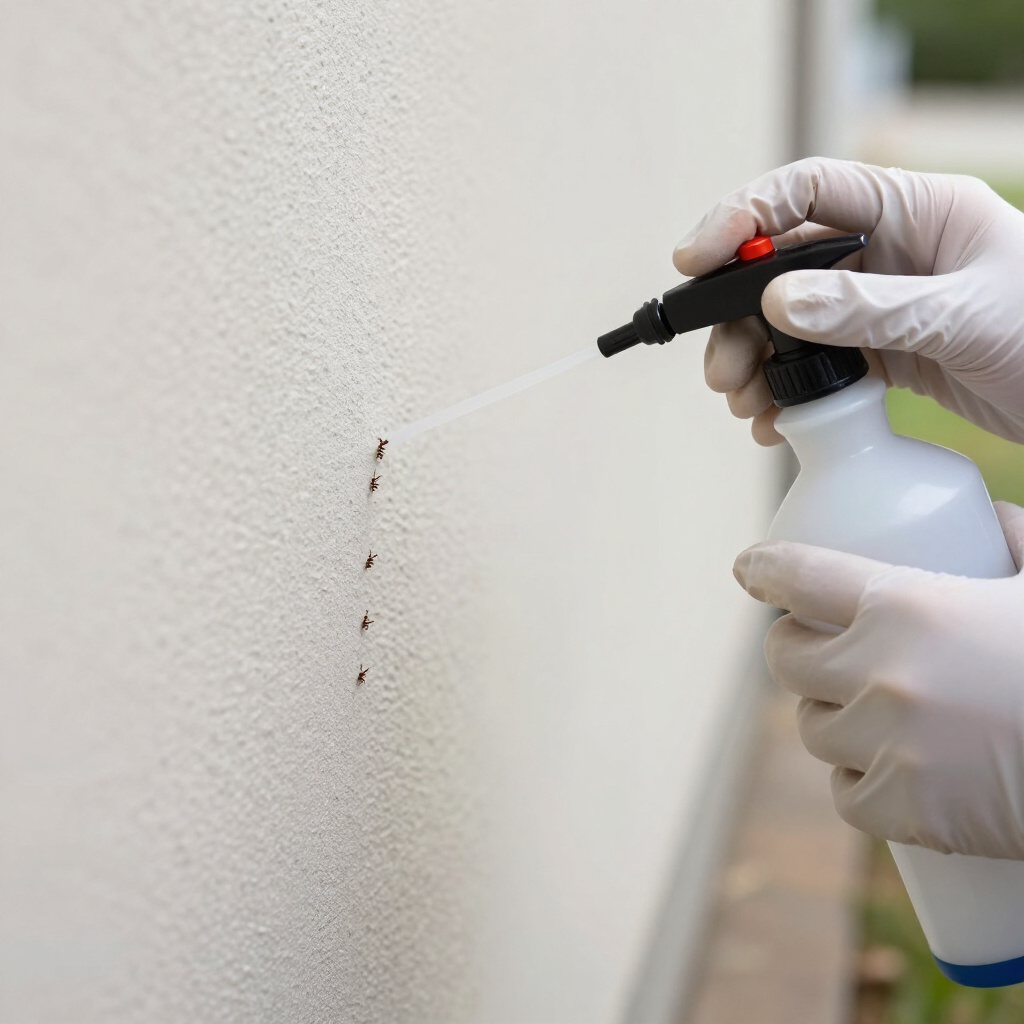
For minor, early-stage pest problems, the do-it-yourself approach can be surprisingly effective. A few stray ants, an occasional spider, or a single wasp nest that's easily accessible might respond well to over-the-counter solutions. Home improvement stores offer a dizzying array of sprays, baits, traps, and natural remedies that promise quick results. And for many homeowners, there's genuine satisfaction in solving a problem independently.
The advantages of DIY pest control are clear: lower upfront costs, immediate action without waiting for an appointment, and the ability to use products you're comfortable with around children and pets. Natural options like diatomaceous earth for crawling insects, vinegar solutions for ants, or pheromone traps for pantry moths appeal to those wanting to minimize chemical use.
However, DIY methods have significant limitations. Store-bought pesticides are typically less concentrated than professional-grade products, meaning they may only address surface-level symptoms rather than the root cause. Many homeowners find themselves in a frustrating cycle where pests seem to disappear briefly, only to return in greater numbers. This often happens because the nest, colony, or entry points were never properly identified and treated.
Safety concerns also deserve serious consideration. Misapplication of pesticides can harm beneficial insects, contaminate water sources, or pose health risks to your family and pets. Reading labels carefully and following instructions precisely is essential—but even then, some situations simply exceed what DIY methods can safely handle.
Professional Pest Control: Expertise That Protects Your Home
When you hire a licensed pest control professional, you're paying for far more than just chemicals. You're investing in trained expertise, specialized equipment, and comprehensive strategies that address the full scope of an infestation.
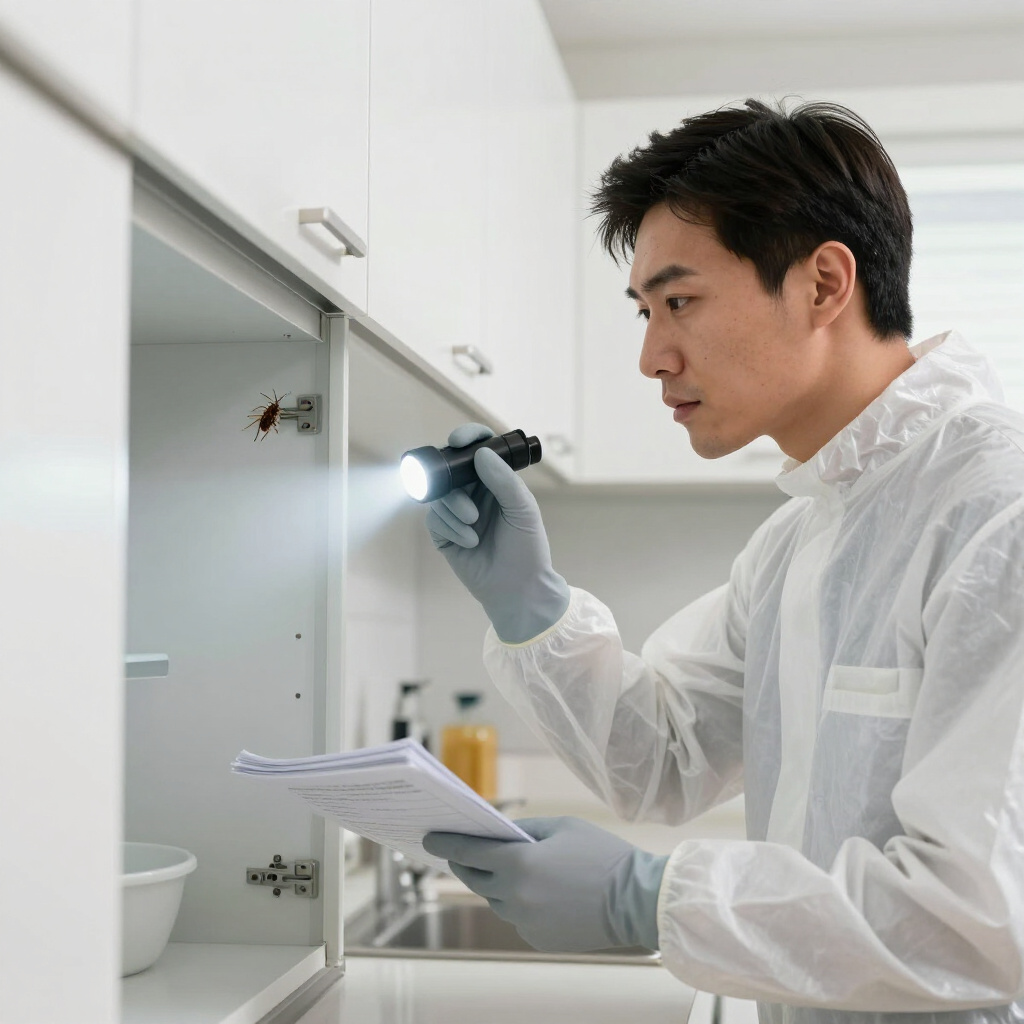
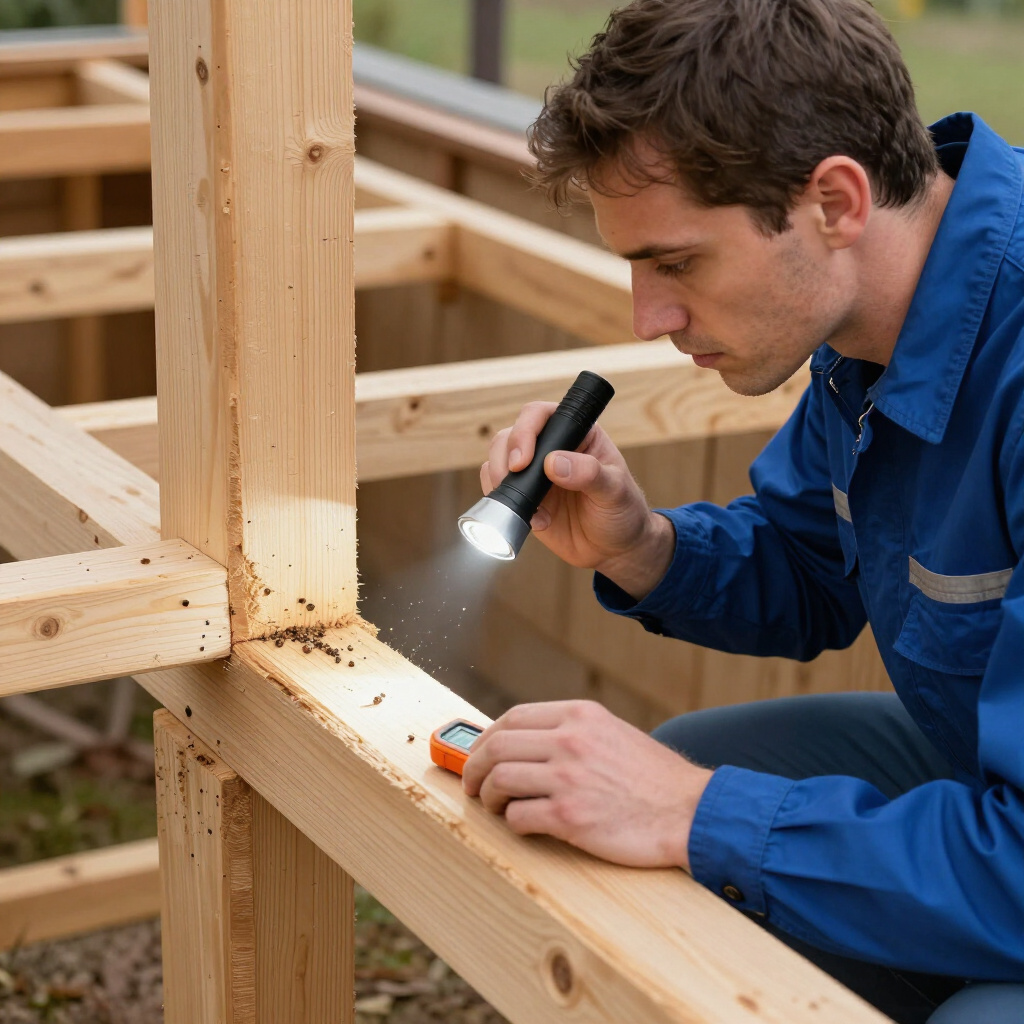
Professional technicians undergo rigorous training to identify pest species accurately, understand their biology and behavior, and locate hidden nests or colony sites that untrained eyes would miss. A carpenter ant problem, for instance, might appear as a simple trail across your deck—but a professional recognizes the structural damage happening inside your walls and knows exactly where to treat to eliminate the parent colony.
The integrated pest management (IPM) approach that reputable companies use goes beyond spraying. Professionals inspect your property thoroughly, identify conditions attracting pests, seal entry points, recommend environmental modifications, and create customized treatment schedules. They also have access to commercial-grade products and application methods not available to consumers, including baiting systems, growth regulators, and targeted treatments that minimize overall chemical use while maximizing effectiveness.
Perhaps most valuable is the warranty and follow-up support that professional services provide. If pests persist, the company returns at no additional charge—a guarantee no hardware store product can match. For destructive pests like termites, bed bugs, or rodents, this accountability provides essential peace of mind.
Key Tips for Making Your Decision
Deciding between DIY pest control and hiring a professional becomes clearer when you consider a few practical factors.
Start by honestly assessing the infestation. Is this a new, isolated problem affecting a small area? DIY may suffice. Have you been battling the same pest for weeks with worsening results? Time to call a professional. Multiple pest species appearing simultaneously often indicates underlying conditions—moisture issues, structural gaps, or sanitation problems—that require expert evaluation.
Consider the pest itself. Carpenter ants, termites, bed bugs, and rodents almost always warrant professional intervention due to their destructive potential, rapid reproduction, or health risks. Conversely, occasional invaders like boxelder bugs, millipedes, or solitary spiders typically respond well to DIY management.
Factor in your available time and tolerance for ongoing maintenance. DIY approaches demand consistent monitoring, repeated applications, and persistent effort. Professional services free you from this burden while providing scheduled preventative treatments that stop problems before they start.
Finally, evaluate cost comprehensively. While professional services have higher upfront prices, repeated DIY attempts on a persistent problem often cost more in the long run—especially if property damage occurs in the meantime. Request quotes from several reputable companies; many offer free inspections that help you understand the true scope of your situation before committing.
Final Thoughts
DIY pest control and professional services aren't mutually exclusive—they can complement each other effectively. Many homeowners handle routine prevention and minor issues themselves while establishing a relationship with a trusted pest control company for annual inspections, seasonal treatments, and emergency situations requiring immediate expertise.
The key is recognizing when a problem exceeds your knowledge, tools, or comfort level. There's no shame in seeking professional help; in fact, acting promptly often prevents more extensive damage and expense down the line. Whether you choose the DIY route or hire an expert, the goal remains the same: protecting your home, your health, and your peace of mind from unwanted invaders. Trust your observations, don't let problems escalate, and remember that effective pest management is ultimately an investment in your property's longevity and your family's wellbeing.