
Finding a spider in your living room can send even the calmest homeowner scrambling for a shoe. While most spiders are harmless and even helpful at controlling other insects, that doesn't mean you want them setting up webs in your corners or scurrying across your bedroom floor at night. The good news? Keeping spiders out of your house is entirely achievable with the right combination of prevention, maintenance, and smart home practices. Here's everything you need to know to reclaim your space.
How to Keep Spiders Out of Your House by Sealing Entry Points
Spiders don't need much space to slip inside. A gap the width of a pencil is plenty for many common species to squeeze through. Your first and most effective line of defense is making your home as impenetrable as possible.
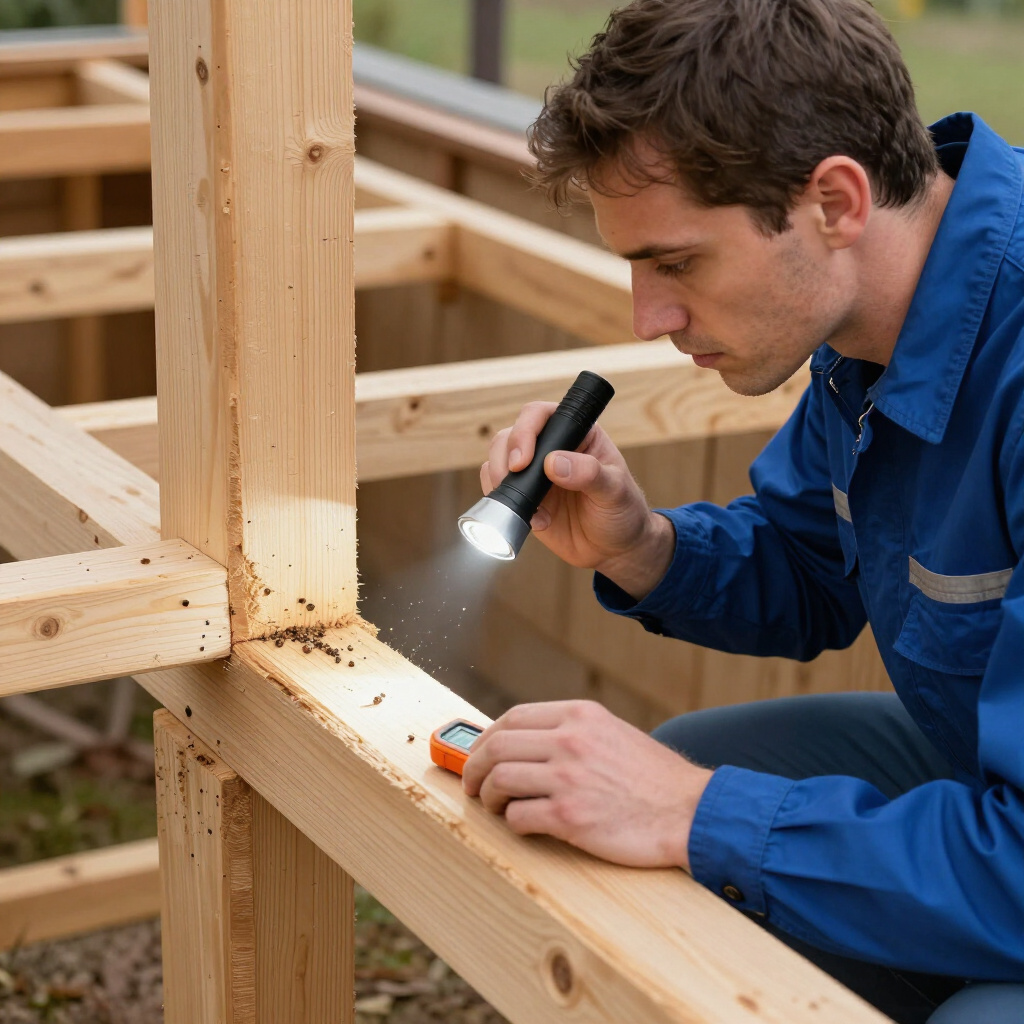
Start with a thorough inspection of your home's exterior. Check windows and doors for worn weatherstripping, damaged screens, and gaps around frames. Replace torn screens immediately, and consider adding door sweeps to eliminate the space beneath exterior doors. Pay special attention to utility penetrations—where pipes, cables, and vents enter your home. These are frequently overlooked highways for spider entry.
Use caulk to seal cracks in your foundation, gaps along siding, and openings around outdoor faucets. For larger gaps around plumbing or electrical lines, expandable foam or steel wool works well. Don't forget your attic and basement: check vent covers, soffits, and where the foundation meets the sill plate. The more barriers you create, the harder you make it for spiders to find their way in.
Remove the Conditions That Attract Spiders
Spiders come for two things: shelter and food. Eliminate these attractions, and you'll dramatically reduce your spider population without ever reaching for a spray bottle.
Clutter is a spider's best friend. Piles of cardboard boxes, stored clothing, firewood stacked against the house, and even overgrown landscaping provide perfect hiding spots. Inside, keep storage areas organized and elevate items off the floor when possible. Outside, maintain a tidy perimeter: trim shrubs and tree branches away from your walls and roofline, clear leaf litter and debris, and store firewood at least twenty feet from your home.
Moisture is another major draw. Spiders thrive in humid environments, so address damp basements, leaky pipes, and poor ventilation. Run a dehumidifier in chronically moist areas, fix plumbing issues promptly, and ensure your bathroom and kitchen fans vent properly to the exterior. A drier home is far less hospitable to both spiders and the insects they prey upon.
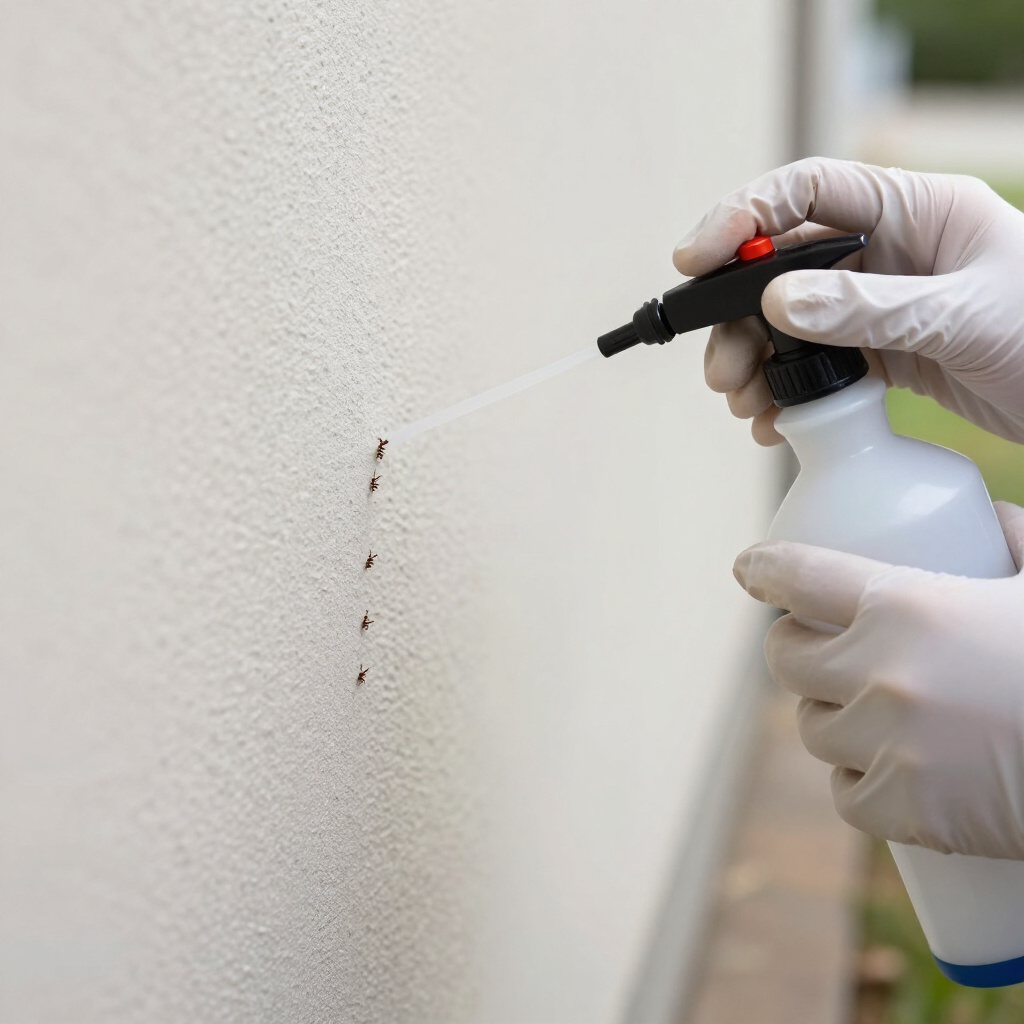
Speaking of prey: controlling other insects in your home removes the buffet that keeps spiders well-fed. Regular cleaning, proper food storage, and addressing ant or fly problems quickly all help starve spiders out. If they can't eat, they won't stay.
Key Tips for Ongoing Spider Prevention
Consistent habits make the difference between a spider-free home and one that needs constant intervention. Incorporate these practices into your regular routine for lasting results.
Clean strategically. Vacuum regularly, including corners, ceilings, behind furniture, and under appliances. Use your vacuum's hose attachment to suck up webs, egg sacs, and any spiders you encounter. Empty the canister or bag outside immediately afterward. Dusting with a long-handled duster or microfiber cloth also removes webs before they become established.
Manage exterior lighting. Outdoor lights attract flying insects, which in turn attract spiders. Switch to warm-colored LED bulbs or sodium vapor lights, which are less attractive to bugs. Position lights away from doorways when possible, or install motion sensors so they operate only when needed.
Use natural deterrents cautiously. Essential oils like peppermint, tea tree, and eucalyptus are popular spider repellents. While scientific evidence is limited, many homeowners report success mixing several drops with water in a spray bottle and applying to entry points and known spider paths. Vinegar solutions work similarly. These are safe, low-cost options worth trying, though they require frequent reapplication.
Consider professional perimeter treatment. For persistent problems or if you're dealing with venomous species, a licensed pest control professional can apply targeted exterior treatments. These create a protective barrier without saturating your indoor living space. This is especially valuable for homes in heavily wooded areas or regions with high spider activity.
Inspect items before bringing them inside. Firewood, outdoor furniture, camping gear, and even potted plants can harbor stowaway spiders. Give these a quick check, and when possible, leave firewood outside until you're ready to burn it.
Final Thoughts
Learning how to keep spiders out of your house comes down to thinking like a spider—identifying what they need and methodically removing it. Seal their pathways, eliminate their hiding spots, cut off their food supply, and maintain vigilance through regular cleaning and home upkeep. You don't need to wage chemical warfare or live in fear. With these practical, environmentally conscious strategies, you can enjoy a comfortable home where the only webs you see are the ones you browse.
If spiders continue to appear despite your best efforts, or if you suspect you're dealing with a potentially dangerous species like a black widow or brown recluse, don't hesitate to contact a professional. Peace of mind is worth the investment, and a trained technician can identify species accurately and tailor treatment to your specific situation.