
Few things are more frustrating than spotting a trail of ants marching across your kitchen counter. What starts as a single scout can quickly become a full-blown invasion, with colonies establishing themselves inside walls, under floors, and in hard-to-reach places. The good news? Most ant problems are entirely preventable with the right approach. By understanding what draws ants inside and taking proactive steps to make your home less inviting, you can keep these persistent pests where they belong—outside.
How to Prevent Ants From Invading Your Home Starts With Eliminating Food Sources
Ants are relentless foragers, and their primary mission is finding food to bring back to the colony. Your kitchen offers an all-you-can-eat buffet if you're not vigilant. The first and most critical step in ant prevention is removing what attracts them in the first place.
Start with scrupulous cleanliness. Wipe down counters and tables after every meal, paying special attention to crumbs and sticky spills. Even a few grains of sugar or a drop of honey can summon scouts from considerable distances. Sweep floors daily, and don't forget those easy-to-miss spots—under appliances, along baseboards, and beneath cabinet toe kicks where debris accumulates.
Storage matters enormously. Keep pantry items like flour, cereal, and sugar in airtight containers with sealed lids. Ants can detect food through thin plastic and cardboard, so invest in quality glass or thick plastic containers. Pet food is another major attractant—feed pets at set times rather than leaving bowls out all day, and store pet food in sealed bins rather than open bags.
Take your garbage seriously. Use bins with tight-fitting lids, empty them frequently, and clean the containers themselves periodically to remove residue. Rinse recyclable containers before tossing them, as the remnants of soda, juice, or food cans are powerful ant magnets.
Seal Entry Points to Block Ant Access
Ants are remarkably small and resourceful when it comes to finding ways inside. A crack just 1/16 of an inch wide is ample passage for most species. Conducting a thorough perimeter inspection and sealing vulnerabilities creates a formidable barrier.
Begin with doors and windows. Install or replace weatherstripping around door frames and add door sweeps to close gaps beneath exterior doors. Check window screens for tears and ensure they fit tightly within their frames. Caulk around window casings where they meet the siding—this common gap is frequently overlooked.
Examine your foundation and exterior walls carefully. Fill cracks in concrete or masonry with appropriate sealant. Pay special attention to where utility lines, pipes, and cables enter your home—these penetrations often have generous gaps surrounding them. Use expanding foam or caulk to close these spaces completely.
Don't neglect higher entry points. Tree branches that touch or overhang your roof provide convenient ant highways directly to your home's upper levels. Trim vegetation back at least several feet from all exterior surfaces. Similarly, check vents, chimneys, and attic openings—these should be covered with fine mesh screens that allow airflow while blocking insect passage.
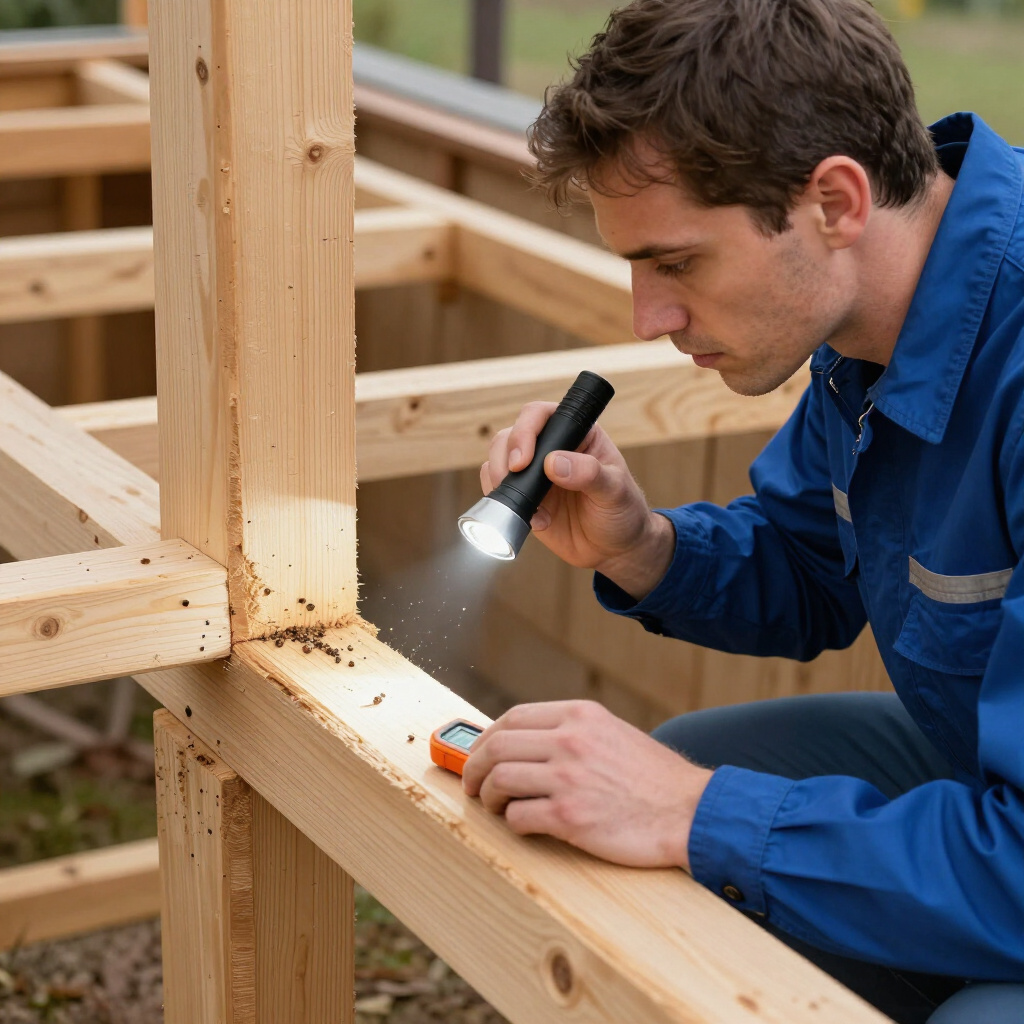
Moisture creates additional vulnerabilities. Repair leaking outdoor faucets, ensure proper drainage around your foundation, and fix any roof leaks promptly. Damp, rotting wood is particularly attractive to carpenter ants and creates easy entry opportunities.
Key Tips for Long-Term Ant Prevention
Beyond the fundamentals of food elimination and entry sealing, several additional strategies strengthen your defenses considerably.
Deploy strategic barriers. Natural deterrents can be surprisingly effective. A line of diatomaceous earth around your home's perimeter creates a microscopic barrier that damages ants' exoskeletons. Cinnamon, peppermint oil, and vinegar solutions applied to known entry points can disrupt scent trails that ants follow. Reapply these after rain, as their effectiveness diminishes with moisture.
Manage your landscape thoughtfully. Ants thrive in certain outdoor conditions. Move mulch and decorative bark away from your foundation—instead, maintain a gravel or stone buffer zone immediately adjacent to exterior walls. Keep firewood stacked well away from the house and elevated off the ground. Address aphid problems on ornamental plants, as ants actively farm these insects for their sweet honeydew secretions.
Identify and address nests early. Watch for ant activity patterns. Trails leading to specific wall voids, active mounds near your foundation, or consistent indoor traffic during certain weather conditions all suggest nearby nesting. Outdoor mound treatments can eliminate colonies before they attempt indoor expansion. For persistent or mysterious indoor activity, professional identification helps target the specific species appropriately.
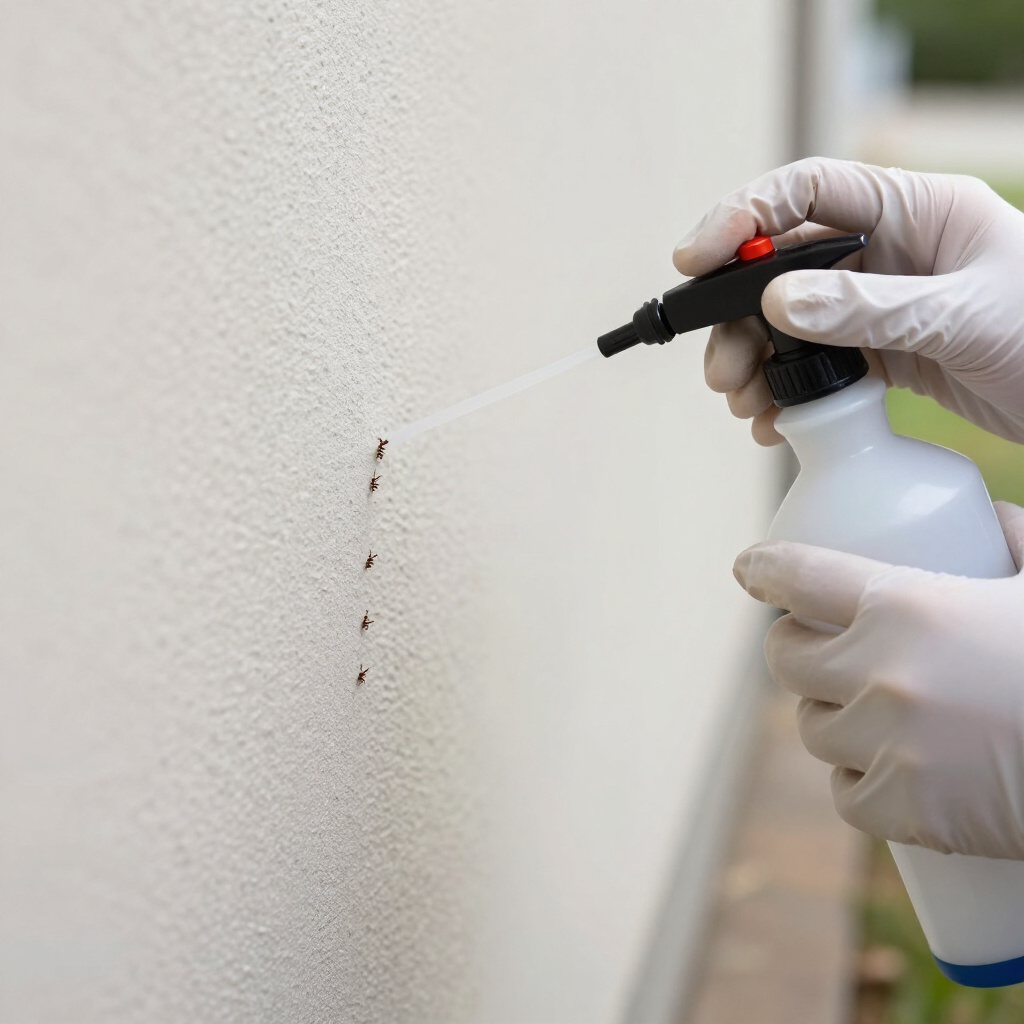
Avoid counterproductive reactions. Spraying visible ants with household cleaners may kill individuals but often fragments the colony, causing it to bud into multiple new colonies—a phenomenon called "budding" common with species like pharaoh ants. Similarly, over-the-counter repellent sprays around random interior spots typically just redirect ants rather than solve the underlying issue.
Consider professional perimeter treatments. Licensed pest control professionals can apply specialized barrier treatments around your home's exterior that remain effective for extended periods. These targeted applications stop ants before they enter, addressing the problem at its source rather than reacting to indoor sightings.
Final Thoughts
Preventing ants from invading your home requires consistent attention but pays dividends in peace of mind. The combination of eliminating what attracts them, physically blocking their access, and maintaining vigilant outdoor management creates multiple layers of protection. Remember that ant activity often increases during seasonal transitions—spring awakening and autumn preparation for winter—making these particularly important times to reinforce your preventive efforts.
If despite your best efforts ants establish themselves indoors, don't hesitate to seek professional assistance. Some species, particularly carpenter ants, can cause structural damage, while others like odorous house ants can be extraordinarily difficult to eradicate without targeted treatment. A pest management professional can identify the species, locate hidden nests, and implement solutions that protect your home without unnecessary chemical exposure.
The most effective ant control is always prevention. By making your home genuinely unappealing and inaccessible to these persistent invaders, you eliminate the stress and frustration of dealing with established infestations—and keep your kitchen counters clear for actual cooking, not ant management.