
Unwanted guests in your home aren't just annoying—they can damage your property, contaminate your food, and even pose health risks to your family. Whether you're dealing with a current infestation or want to stay ahead of future problems, understanding the most common household pests and how to prevent them is your first line of defense. Let's explore which critters are most likely to invade your space and the practical steps you can take to keep them out.
Most Common Household Pests and How to Prevent Them
Every region has its own pest challenges, but certain invaders show up in homes across the country. Knowing what attracts these pests and how they get inside empowers you to stop problems before they escalate. Here's what you're up against and how to win.
Ants
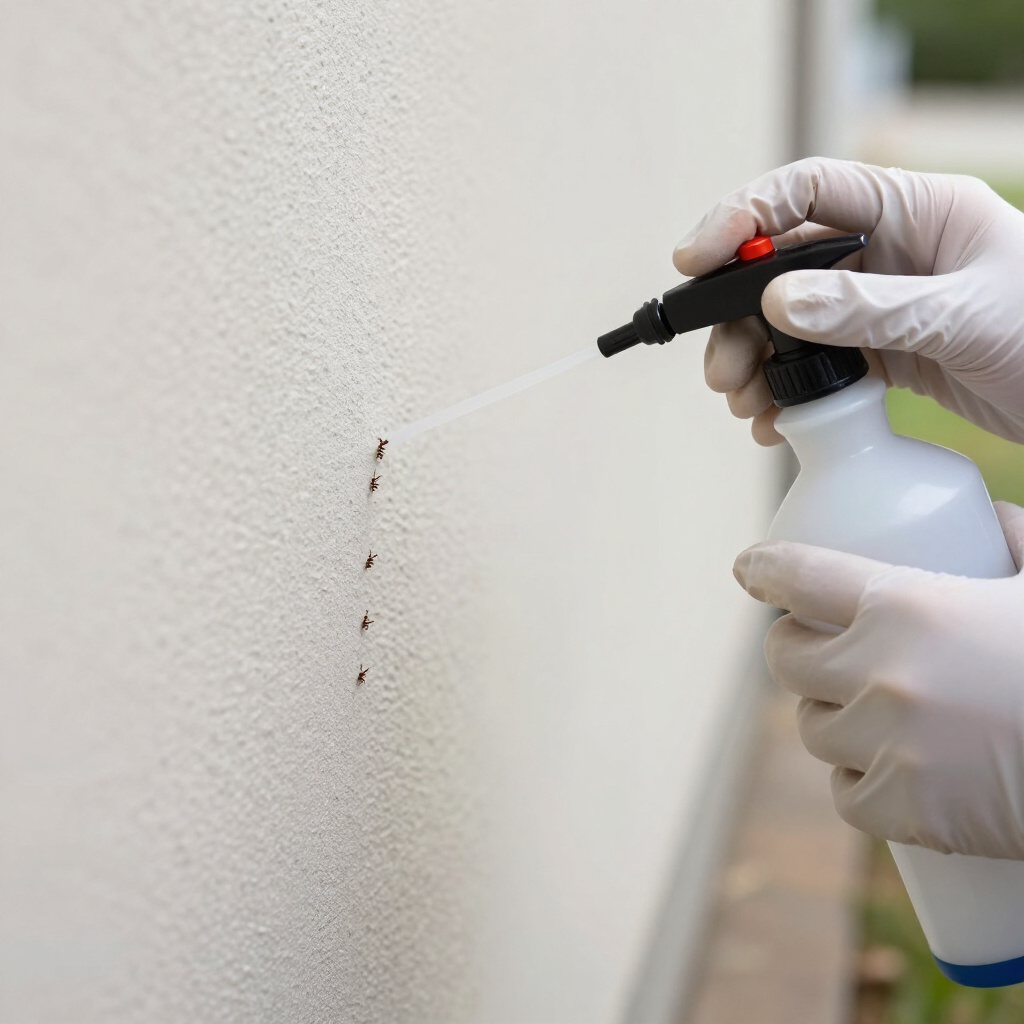
These tiny foragers can seem to appear out of nowhere, marching across countertops in organized lines. Ants enter homes searching for food and water, and once a scout finds something appealing, it leaves a chemical trail for the entire colony to follow. Sugar ants, carpenter ants, and odorous house ants are among the most frequent indoor visitors.
Prevention: Wipe down counters and sweep floors daily to eliminate crumbs and sticky residues. Store sweet foods in airtight containers, and address moisture issues like leaky faucets promptly. Seal cracks around windows, doors, and your foundation with caulk. If you spot a trail, clean it thoroughly with vinegar to disrupt the pheromone path.
Cockroaches
Perhaps the most dreaded household pest, cockroaches thrive in warm, humid environments with access to food and water. They're nocturnal, incredibly resilient, and can squeeze through gaps as thin as a dime. Beyond the visceral reaction they trigger, roaches can trigger allergies and asthma, particularly in children.
Prevention: Eliminate clutter where roaches can hide, especially cardboard boxes and stacks of paper. Fix plumbing leaks and improve ventilation in damp areas like bathrooms and basements. Keep garbage in sealed containers and take it out regularly. Store food in hard plastic or glass containers rather than bags or boxes. Regularly clean behind appliances where crumbs accumulate.
Mice and Rats
Rodents don't need much encouragement to move in—a hole the size of a pencil is plenty for a mouse. They chew through wires, insulation, and even drywall, creating fire hazards and costly structural damage. Their droppings and urine can spread disease, and they reproduce rapidly, turning a small problem into a major infestation.
Prevention: Inspect your home's exterior for entry points and seal them with steel wool, metal flashing, or concrete—materials rodents can't gnaw through. Trim tree branches and shrubs away from your roof and walls. Store pet food in sealed containers and don't leave it out overnight. Set traps in garages, attics, and basements as an early warning system, checking them regularly.
Spiders
Most household spiders are harmless and actually help control other insect populations. However, species like black widows and brown recluses can deliver dangerous bites, and even benign spiders create unsightly webs that make your home feel unkempt.
Prevention: Reduce their food source by controlling other insects in your home. Remove webs with a vacuum or broom as soon as you notice them. Declutter storage areas where spiders can establish undisturbed territory. Seal cracks and install tight-fitting screens on windows. Consider adjusting outdoor lighting to yellow bulbs, which attract fewer flying insects that spiders feed on.
Termites
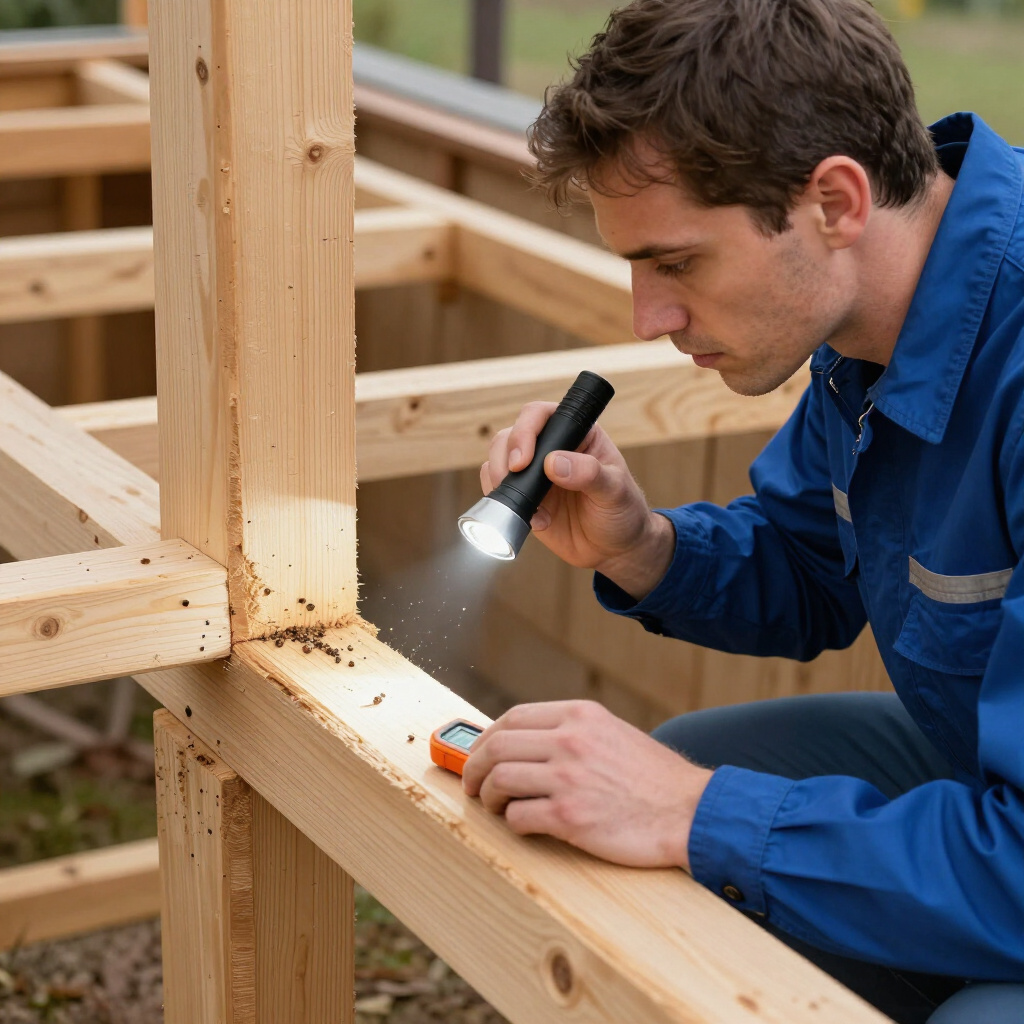
Silent and destructive, termites cause billions of dollars in property damage annually—often before homeowners realize there's a problem. Subterranean termites build mud tubes to access wood, while drywood termites can infest furniture and structural timber directly.
Prevention: Maintain an 18-inch gap between soil and any wood portions of your home. Direct water away from your foundation with proper grading and functioning gutters. Store firewood and lumber at least 20 feet from your house and elevated off the ground. Schedule professional inspections annually, especially if your home has a history of termite activity or you're in a high-risk region.
Fruit Flies and Drain Flies
These tiny flying nuisances seem to materialize overnight around ripening produce, garbage disposals, and drains with organic buildup. Their rapid lifecycle means a few flies can become hundreds within days.
Prevention: Refrigerate ripe fruit rather than leaving it on counters. Clean drains weekly with a brush and enzymatic cleaner to remove buildup. Run your garbage disposal with plenty of water and ice cubes to clear debris. Create a simple trap with apple cider vinegar and dish soap in a bowl covered with plastic wrap poked with small holes.
Key Tips for Long-Term Pest Prevention
Consistent habits make the difference between occasional pest sightings and chronic problems. Integrate these practices into your routine for lasting protection.
Maintain your home's defenses. Weatherstripping wears out, screens tear, and caulk cracks over time. Inspect these barriers seasonally and repair promptly. Pay special attention after severe weather, which can create new entry points.
Manage moisture diligently. Most pests need water to survive. Fix leaks, run dehumidifiers in damp spaces, ensure bathrooms vent properly, and don't let water accumulate in plant saucers or pet bowls.
Practice smart landscaping. Keep mulch at least 12 inches from your foundation—it's a bridge for many pests. Maintain a tidy yard free of leaf litter, fallen fruit, and standing water. Position compost bins away from your house.
Know when to call professionals. DIY prevention handles many situations, but certain scenarios warrant expert intervention: recurring infestations despite your efforts, signs of structural pests like termites, large or widespread rodent activity, or any pest concern that affects your family's health and peace of mind. Professional pest control provides targeted treatments, identifies hidden vulnerabilities, and offers ongoing protection plans tailored to your property.
Final Thoughts
Understanding the most common household pests and how to prevent them transforms you from reactive to proactive in protecting your home. The strategies outlined here—sealing entry points, eliminating food and water sources, maintaining your property, and knowing your limits—create an environment where pests struggle to survive. Prevention requires less time, money, and stress than addressing full-blown infestations. Start with one or two changes this week, build consistent habits, and enjoy the confidence of a home that's truly yours alone.