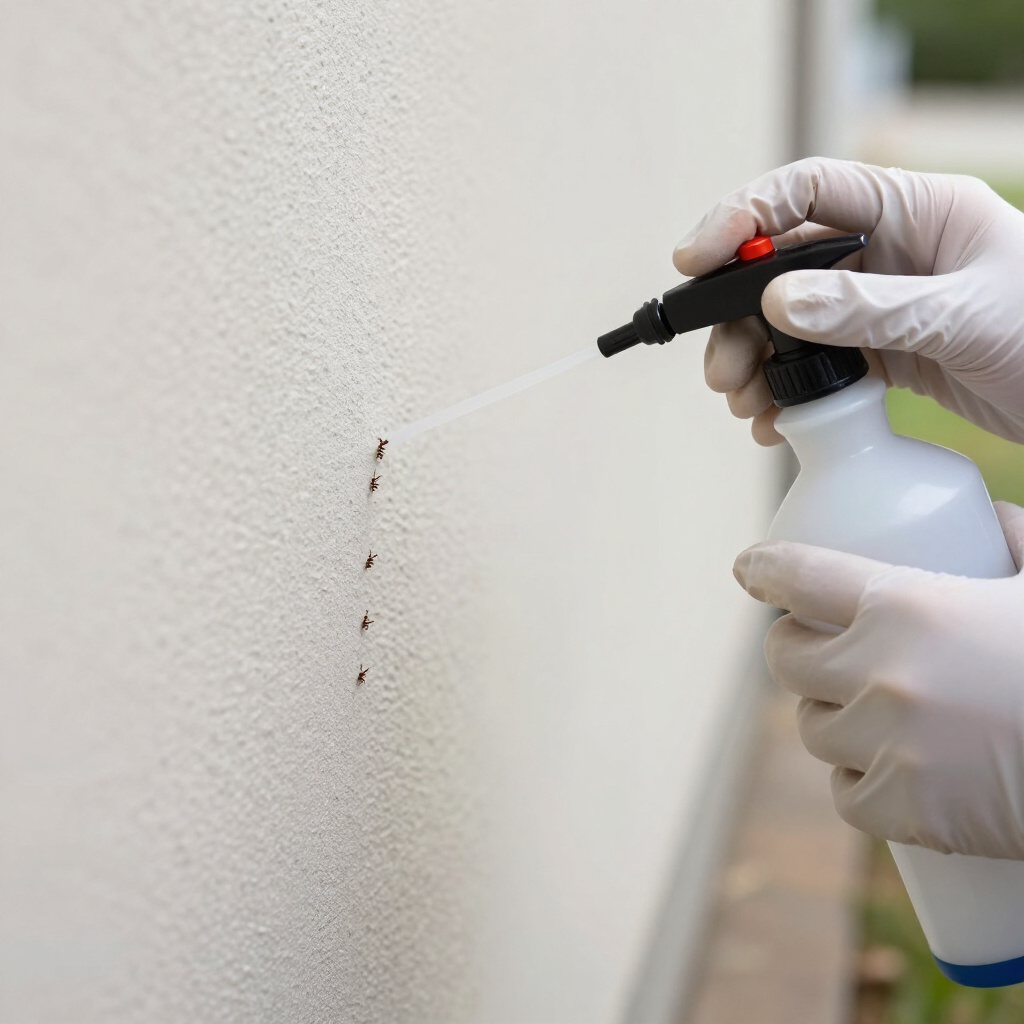

When ants march across your kitchen counter or aphids cluster on your garden roses, reaching for a harsh chemical spray might feel like the only solution. But more homeowners are discovering that natural pest control methods can be just as effective—without the worry of toxic residues around children, pets, or pollinators. The key is knowing which approaches genuinely work and how to apply them strategically for real results.
Natural Pest Control Methods That Actually Work in Your Home
Your kitchen and pantry already hold powerful pest-fighting tools. Diatomaceous earth, a fine powder made from fossilized algae, works mechanically rather than chemically. When crawling insects like ants, cockroaches, and silverfish contact it, the microscopic edges damage their exoskeletons and cause dehydration. Sprinkle food-grade diatomaceous earth along baseboards, behind appliances, and in dry areas where pests travel. Reapply after cleaning or if it becomes damp, since moisture renders it ineffective.
Essential oils offer another proven approach, though concentration matters. Peppermint oil repels spiders and mice when properly diluted—mix 15-20 drops per cup of water and spray entry points weekly. Tea tree and eucalyptus oils deter ants and fleas. However, remember that "natural" does not mean harmless; these oils can irritate skin and harm cats at high concentrations. Always use sparingly and keep away from food preparation surfaces.
For fruit fly invasions, nothing beats the simplicity of an apple cider vinegar trap. Fill a small bowl with vinegar, add a drop of dish soap to break surface tension, and cover with plastic wrap poked with tiny holes. The fermentation scent attracts adults, and they sink rather than escape. Place multiple traps near sinks, compost bins, and fruit bowls for comprehensive control.
Natural Pest Control Methods That Actually Work in Your Garden
Outdoor pest management requires a different toolkit, one that protects beneficial insects while targeting true pests. Neem oil, extracted from the neem tree, disrupts feeding and reproduction in hundreds of species including aphids, whiteflies, and squash bugs. Apply in early morning or evening to avoid harming bees, and coat leaf undersides where pests hide. Expect to reapply every 7-10 days, as neem breaks down in sunlight and washes away with rain.
Companion planting transforms your garden layout into a defensive strategy. Marigolds release compounds from their roots that repel nematodes, while their strong scent confuses whiteflies and aphids. Nasturtiums act as trap crops, drawing aphids away from vegetables. Basil planted near tomatoes reportedly improves flavor and repels flies and mosquitoes. This approach demands planning and patience, but builds resilience over seasons as helpful insect populations establish.
Physical barriers often outperform sprays of any kind. Floating row covers exclude cabbage worms and flea beetles from brassicas without any chemical input. Copper tape around raised beds creates a mild electrical charge that slugs and snails refuse to cross. Handpicking remains surprisingly effective for visible pests like tomato hornworms and Japanese beetles—drop them into soapy water and check plants every few days during peak season.
Encouraging predator insects provides lasting, self-sustaining control. Ladybugs, lacewings, and parasitic wasps consume aphids, caterpillars, and other pests at remarkable rates. Attract them by planting dill, fennel, yarrow, and other small-flowered plants that provide nectar and habitat. Avoid broad-spectrum treatments that kill indiscriminately, and tolerate minor pest presence—these sustain the predators that prevent major outbreaks.
Key Tips for Success with Natural Approaches
Natural pest control demands more attentiveness than chemical alternatives, but rewards that effort with safer, more sustainable results. Start with accurate identification; controlling carpenter ants requires different tactics than sugar ants, and what works for spider mites fails against scale insects. Misidentification leads to wasted effort and worsening infestations.
Timing and consistency prove essential. Most natural treatments require more frequent application than synthetic pesticides. Set calendar reminders for reapplications, and monitor treated areas to assess effectiveness. Combine methods for complex problems—diatomaceous earth at entry points plus vinegar traps plus removal of attractants addresses fruit flies far better than any single tactic.
Prevention deserves equal attention. Seal cracks and gaps with caulk or steel wool before cold weather drives rodents indoors. Eliminate standing water that breeds mosquitoes. Store pantry goods in airtight glass or metal containers. A dry, clean, well-maintained home and garden naturally resist pest pressure, reducing the need for intervention at all.
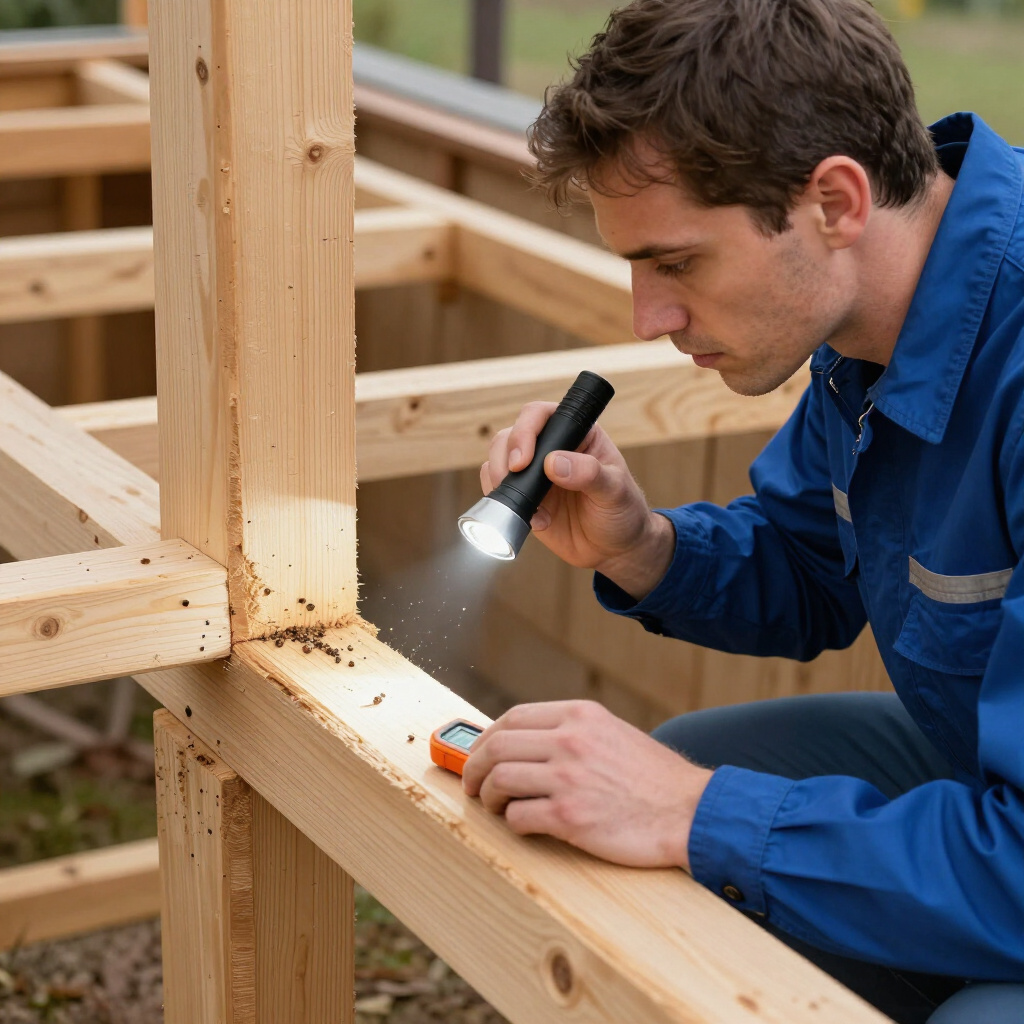
Know when professional help becomes necessary. Natural methods excel at prevention and minor infestations, but established termite colonies, bed bug populations, or structural rodent damage require specialized expertise. Reputable pest control companies can integrate natural and conventional approaches, minimizing chemical use while resolving serious situations.
Final Thoughts
Effective natural pest control combines knowledge, observation, and persistence. No single method solves every problem, but together these approaches create environments where pests struggle to thrive and beneficial organisms flourish. Begin with the least intrusive options, escalate thoughtfully when needed, and always prioritize long-term prevention over quick fixes. Your home, garden, and the broader ecosystem benefit when you work with nature rather than against it.