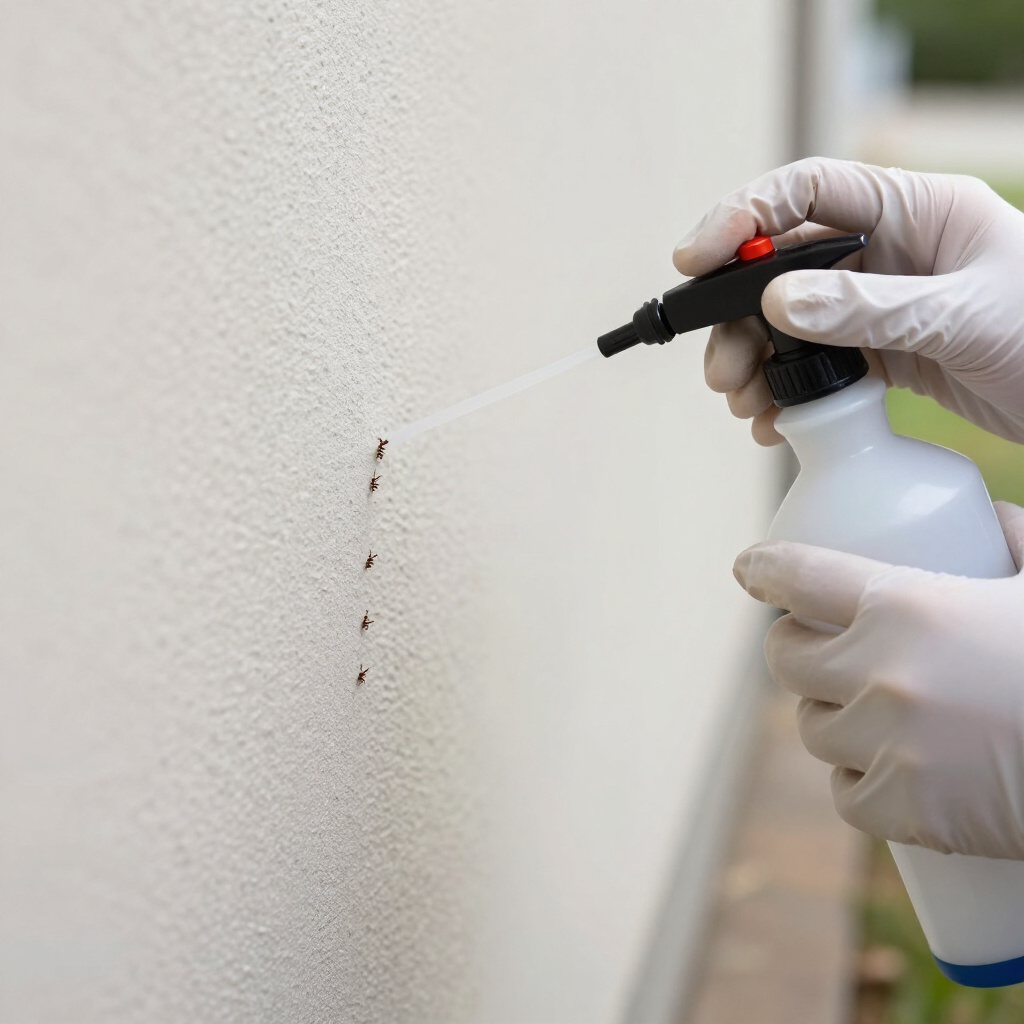


Pests don't take vacations, and neither should your home protection strategy. As the seasons change, so do the types of invaders knocking at your door—sometimes literally. A proactive, year-round approach to pest management saves you stress, protects your property, and keeps your family comfortable. This seasonal pest control checklist breaks down exactly what homeowners should do each quarter to stay one step ahead of nature's most persistent intruders.
Seasonal Pest Control Checklist: Your Year-Round Defense Plan
Effective pest management isn't about reacting to sightings—it's about preventing problems before they start. Each season brings unique challenges, from spring's awakening colonies to winter's shelter-seeking rodents. By following a structured seasonal pest control checklist, you can address vulnerabilities at the right time and avoid the frustration of full-blown infestations. Let's walk through what your home needs, season by season.
Spring: Awakening and Entry Prevention
As temperatures rise, dormant pests emerge and breeding cycles begin. Spring is your opportunity to establish strong defenses before populations explode.
Start with a thorough exterior inspection. Walk your property and seal cracks in foundations, gaps around utility penetrations, and damaged window screens. Pay special attention to door sweeps—these wear down quickly and create easy access for ants, spiders, and occasional invaders.
Clean gutters and downspouts that accumulated debris over winter. Clogged drainage creates moisture pockets that attract mosquitoes, termites, and carpenter ants. Trim shrubs and tree branches back at least 18 inches from your home's exterior walls to eliminate natural bridges for pests.
Inside, inspect basements, crawl spaces, and attics for signs of overwintering pests that are now becoming active. Look for shed skins, droppings, or moisture damage. Replace any weatherstripping that has deteriorated, and ensure vents have intact screens.
Spring also marks the beginning of termite swarming season in many regions. Schedule a professional inspection if your home hasn't been evaluated in the past year, especially if you live in an area with high termite pressure.
Summer: Moisture Management and Active Monitoring
Peak pest activity arrives with summer heat. This is when ants trail across kitchen counters, wasps construct nests, and mosquitoes turn backyards into no-go zones.
Moisture control becomes critical. Repair leaky outdoor faucets and irrigation systems promptly. Eliminate standing water in plant saucers, bird baths, clogged gutters, and low spots in your yard—mosquitoes need only a bottle cap's worth to breed. Consider running dehumidifiers in damp basements to discourage silverfish, centipedes, and millipedes.
Maintain your landscaping with pest deterrence in mind. Keep grass mowed, remove leaf litter, and avoid over-mulching against foundations, which creates harborage for termites, earwigs, and rodents. Store firewood at least 20 feet from your home and elevate it off the ground.
Monitor for wasp and hornet activity around eaves, sheds, and play structures. Early nest removal is far safer than addressing established colonies. For outdoor dining areas, keep food covered and garbage bins sealed with tight-fitting lids to avoid attracting yellowjackets and flies.
Inside, maintain rigorous kitchen hygiene. Wipe counters daily, store pantry goods in sealed containers, and take garbage out regularly. Even small crumbs can sustain ant colonies that quickly become overwhelming.
Fall: Exclusion Before the Chill
As temperatures drop, pests shift into survival mode—and your warm home becomes increasingly attractive. Fall is arguably the most important season for exclusion work.
Conduct another detailed exterior inspection, this time focusing on entry points rodents and overwintering insects exploit. Mice can squeeze through gaps as small as a dime. Seal foundation cracks with appropriate materials, install door sweeps and thresholds, and repair damaged soffits and fascia. Check chimney caps and vent covers for integrity.
Remove window air conditioners or seal gaps around them. These units create direct pathways for lady beetles, stink bugs, and boxelder bugs seeking winter shelter. Consider professional treatment around potential aggregation points if you've experienced overwintering pest problems previously.
Clean and store summer items properly. Don't leave garden hoses, planters, or children's toys against the house where they provide cover. Rake and dispose of fallen leaves promptly—thick leaf layers harbor ticks, rodents, and overwintering insects.
Inside, inspect and clean attics and storage areas. Use sealed plastic bins instead of cardboard boxes, which silverfish and rodents readily destroy. Install screens over attic vents and confirm bathroom exhaust fans vent properly to the exterior, not into attic spaces.
Winter: Interior Vigilance and Preparation
Pest pressure typically decreases outdoors, but indoor activity can spike as established invaders settle in and new ones seek warmth. Winter is your season for detection and maintenance.
Maintain regular inspection routines even when outdoor pest sightings decrease. Check pantry shelves for Indian meal moths, weevils, and other stored product pests that can establish quietly. Rotate dried goods using first-in, first-out principles, and inspect packaging for damage before purchase.
Monitor for rodent activity in quiet areas. Look for droppings near food sources, gnaw marks on baseboards or packaging, and greasy rub marks along walls where mice travel. Set traps in basement corners, behind appliances, and in garage areas if you suspect activity. Address any signs immediately—rodent populations grow exponentially.
Continue managing moisture, as heated indoor air creates condensation issues. Ensure bathrooms and kitchens vent properly. Check under sinks for leaks that attract cockroaches and silverfish. Repair any plumbing issues without delay.
Use the slower winter months to plan spring improvements. Research professional pest control services, schedule termite inspections, and budget for any structural repairs needed to improve your home's pest resistance. Order replacement screens, assess insulation for rodent damage, and create your action plan for the coming year.
Key Tips for Every Season
Certain practices deserve attention regardless of what the calendar shows. Store all food, including pet food and birdseed, in sealed containers with tight lids. Maintain a clean home, but recognize that cleanliness alone doesn't prevent infestations—structural maintenance matters equally.
Learn to identify your region's common pests and their signatures. Early recognition of frass (insect excrement), mud tubes, or unusual sounds enables faster response. Keep a simple log of observations; patterns emerge that help pinpoint problem areas.
Know when professional help is warranted. DIY measures handle many situations, but termites, bed bugs, extensive rodent issues, and stinging insect nests near living spaces typically require expert intervention. A qualified pest control professional brings training, specialized tools, and warranty-backed solutions that protect your investment.
Avoid over-reliance on retail pesticide sprays. Misapplication wastes money, poses unnecessary exposure risks, and often drives pests deeper into hiding rather than resolving problems. Integrated pest management—combining exclusion, sanitation, monitoring, and targeted treatment—delivers superior, longer-lasting results.
Final Thoughts
Your home deserves consistent protection that adapts with the seasons. By working through this seasonal pest control checklist throughout the year, you transform from reactive homeowner to proactive defender. The effort you invest in spring sealing, summer moisture management, fall exclusion, and winter monitoring pays dividends in fewer surprises, lower long-term costs, and genuine peace of mind.
Start where you are in the cycle. Even implementing a portion of these recommendations strengthens your position. For comprehensive protection tailored to your specific property and regional pest pressures, consider partnering with a reputable pest management professional who can customize your year-round program.