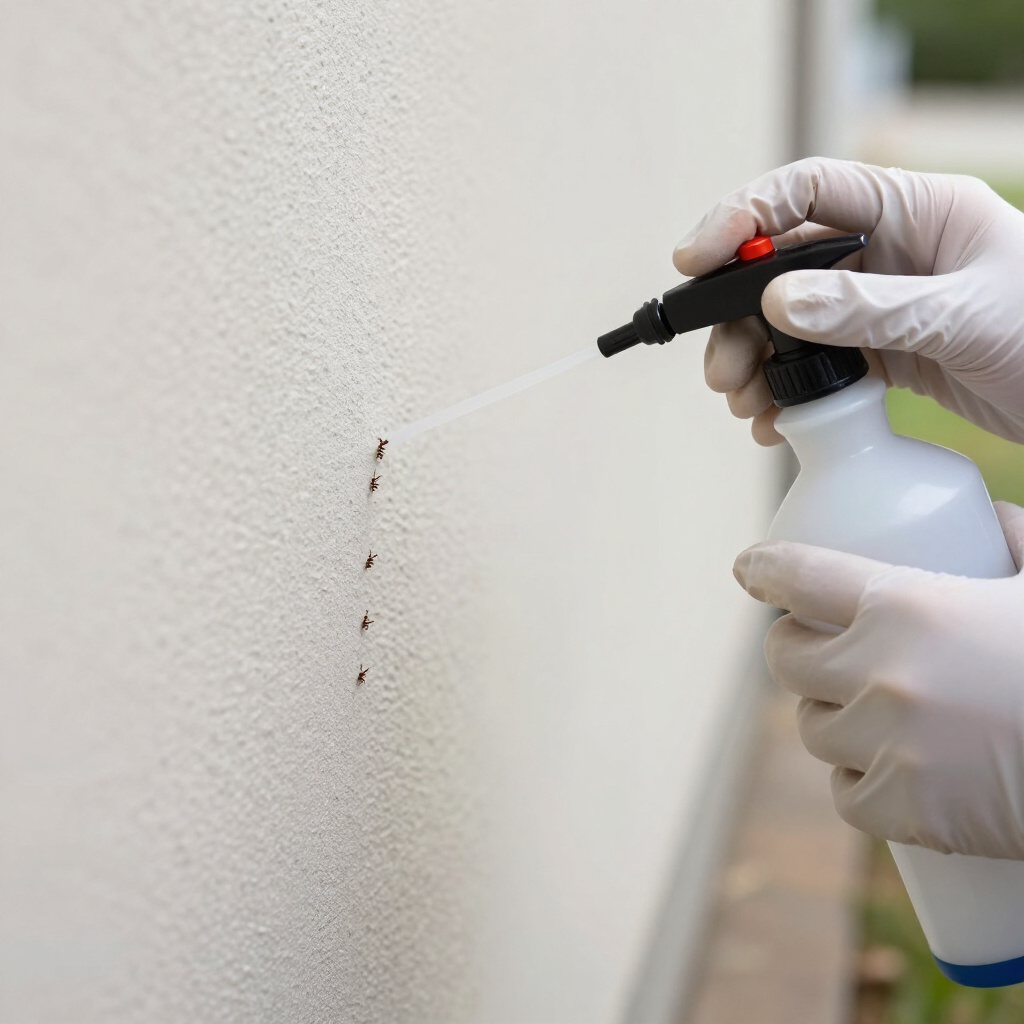

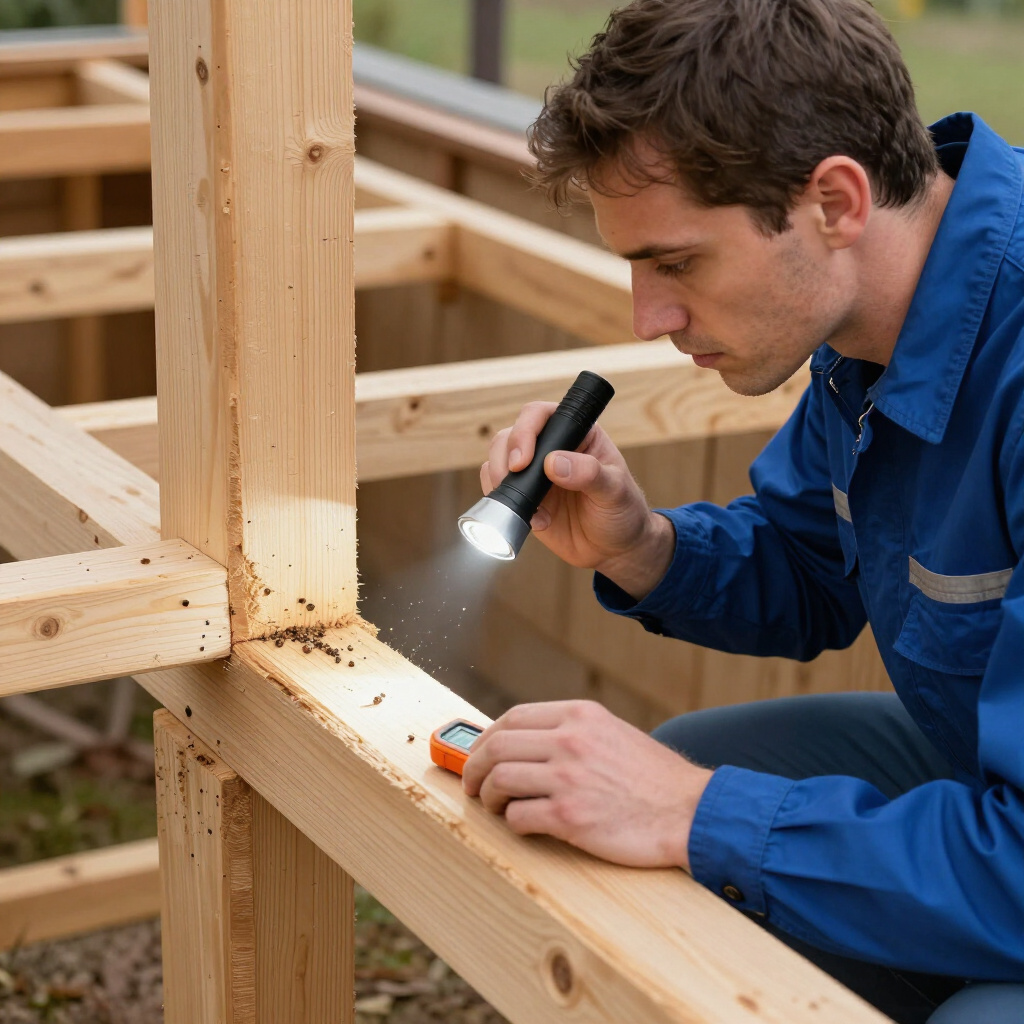
Termites are often called "silent destroyers" for good reason. These tiny insects can chew through wood, flooring, and even wallpaper undetected for months or years, causing thousands of dollars in damage before homeowners realize there's a problem. Unlike other pests that make their presence obvious, termites work quietly and out of sight. Knowing the early warning signs can save you from costly repairs and protect the structural integrity of your home. Here's what to watch for.
Signs You May Have Termites: Mud Tubes and Tunnels
One of the most telltale signs you may have termites is the presence of mud tubes along your foundation, walls, or crawl space. Subterranean termites, the most common and destructive species in the United States, build these pencil-thin tunnels from soil, wood particles, and their own saliva to travel between their underground colony and their food source.
These tubes protect termites from predators and prevent them from drying out in open air. You'll typically find them:
- Along concrete foundations and basement walls
- Near plumbing penetrations and utility entries
- Inside crawl spaces and along support beams
- On exterior walls, especially near the ground
Break open a mud tube and look for live, creamy-white insects moving inside. Even if the tube appears empty, don't assume you're in the clear—termites may have simply abandoned that particular tunnel for another route. A professional inspection is always warranted when mud tubes are discovered.
Damaged or Hollow-Sounding Wood
Termites consume wood from the inside out, leaving a thin veneer of paint or wood grain intact while hollowing out the interior. This makes visual detection challenging until significant damage has already occurred. Tap on wooden surfaces throughout your home—baseboards, window sills, door frames, and hardwood floors. Healthy wood produces a solid, resonant sound. Wood compromised by termites sounds hollow, papery, or dull.
Pay special attention to areas with moisture issues, as termites are drawn to damp environments. Bathrooms, kitchens, laundry rooms, and areas with plumbing leaks are particularly vulnerable. You may also notice blistering or darkening on wood surfaces, which indicates subsurface feeding activity. In advanced infestations, wooden structures may sag, buckle, or crumble under slight pressure.
Swarmers and Discarded Wings
Reproductive termites, known as swarmers or alates, emerge from mature colonies to mate and establish new colonies. These winged insects typically swarm during spring after warm rains, though timing varies by species and region. Swarmers are often mistaken for flying ants, but closer inspection reveals key differences: termites have straight, bead-like antennae, a broad waist, and two pairs of equal-length wings.
Even if you don't witness an active swarm, finding piles of discarded wings near windowsills, doorways, or light fixtures is strong evidence that termites are nearby. After mating, swarmers shed their wings before burrowing into soil or wood to start new colonies. A few isolated swarmers indoors may indicate an outdoor colony searching for entry points, but numerous swarmers or wing piles inside your home strongly suggest an active infestation within the structure itself.
Frass: Termite Droppings
Drywood termites, which live entirely within the wood they consume, push their fecal matter out of small kick-out holes in infested timber. This accumulation, known as frass, resembles fine sawdust or coffee grounds and often forms small piles beneath affected areas. Unlike sawdust, frass pellets are six-sided and uniform in shape when examined closely.
Check for frass:
- Beneath wooden furniture, especially antique pieces
- Along windowsills and door frames
- Near attic rafters and exposed beams
- Underneath hardwood flooring
Frass indicates active feeding, making it one of the more urgent signs you may have termites requiring immediate professional attention.
Other Subtle Warning Signs
Beyond the major indicators, several lesser-known clues can point to termite activity. Buckling or bubbling paint may resemble water damage but actually results from moisture termites introduce into wood. Tight-fitting doors and windows that suddenly become difficult to open often occur when termite-damaged wood warps from moisture. Unexplained clicking sounds within walls—soft, rhythmic tapping—may be soldier termites banging their heads against wood to signal danger to the colony.
You might also notice sagging drywall with small pinholes, or mazes visible beneath wallpaper or paint surfaces. These labyrinthine patterns indicate extensive tunneling just below the surface.
When to Call a Professional
If you observe any of these warning signs, schedule a professional termite inspection promptly. Pest control experts use specialized tools—moisture meters, thermal imaging cameras, and acoustic sensors—to detect hidden activity that visual inspection alone cannot reveal. Early intervention significantly reduces treatment costs and prevents structural damage from escalating.
Annual inspections are recommended even without visible signs, particularly for homes in high-risk regions or those with previous termite history. Preventative treatments, including soil barriers and bait systems, offer long-term protection against future infestations.
Final Thoughts
Termites cause more property damage annually than fires, floods, and storms combined—yet standard homeowners insurance rarely covers termite-related repairs. This financial reality makes vigilance essential. By learning to recognize the signs you may have termites, you position yourself to catch infestations early and protect your most significant investment. Trust your observations, act quickly when something seems amiss, and partner with qualified professionals to keep your home termite-free for years to come.