There is a certain pride that comes with tackling household problems on your own. A leaky faucet, a squeaky door, a patch of weeds in the garden—many of these are satisfying weekend projects. But when it comes to pests, the line between a quick DIY fix and a problem spiraling out of control can be surprisingly thin. Knowing when to call a pest control professional can save you time, money, and a great deal of frustration. More importantly, it can protect your family's health and the structural integrity of your home.
When to Call a Pest Control Professional for Recurring Infestations
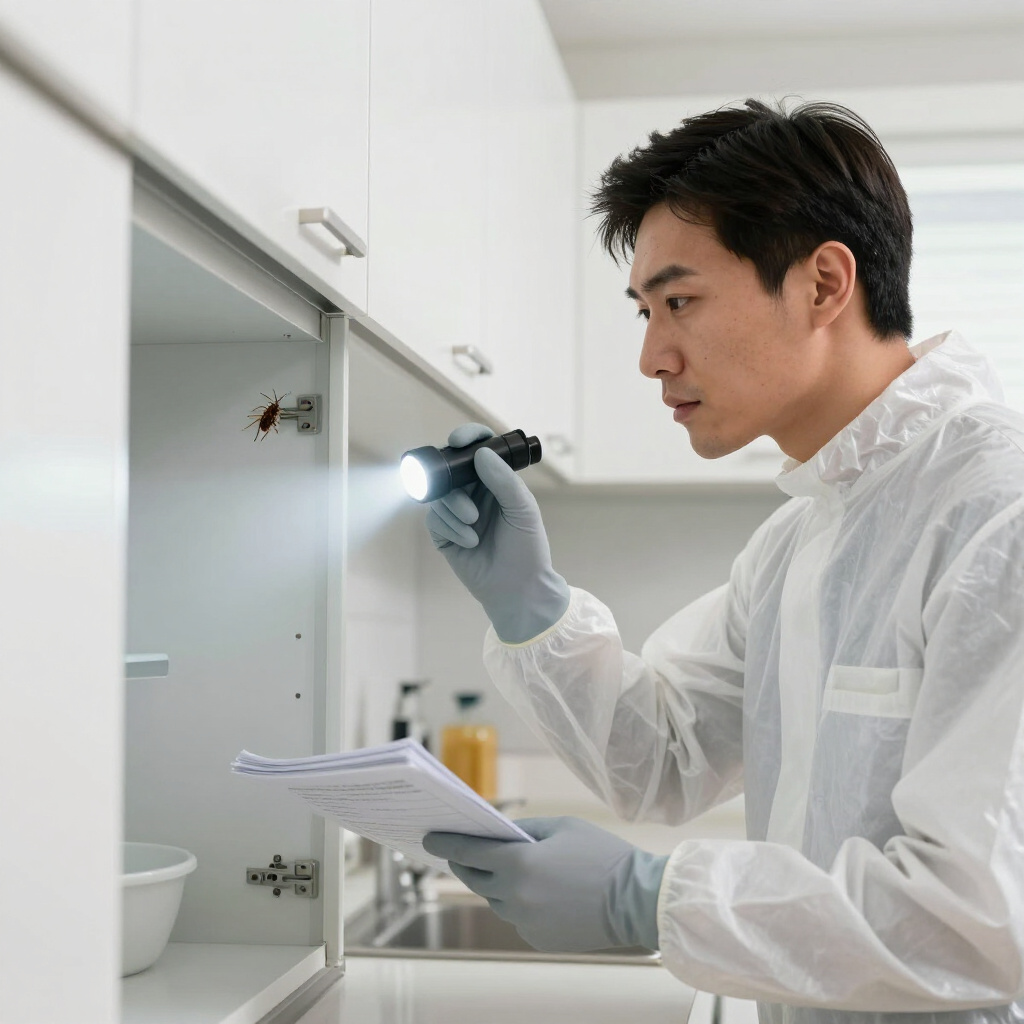
The most obvious sign that you need expert help is when pests keep coming back despite your best efforts. Perhaps you have deployed traps, sealed entry points, and tried every spray on the hardware store shelf, yet the ants return each spring or the mice reappear every autumn. Recurring infestations indicate that you are addressing symptoms rather than the root cause. A trained pest control professional can conduct a thorough inspection to identify how pests are entering your home, where they are nesting, and what conditions are sustaining their population. They bring specialized tools and knowledge that go far beyond what the average homeowner can access, ensuring the problem is resolved at its source rather than temporarily suppressed.
Another scenario that demands professional intervention is when you are dealing with pests that pose immediate health risks. Rodents, for instance, can carry hantavirus and salmonella, while cockroaches are notorious for triggering asthma and allergies, particularly in children. Certain spider bites and stinging insects can cause severe reactions. If your pest problem involves species known to endanger human health, the stakes are simply too high for trial-and-error methods. Professionals understand the biology and behavior of these pests and can implement targeted, safe treatments that minimize risk to your household.
Structural Damage and Hidden Threats
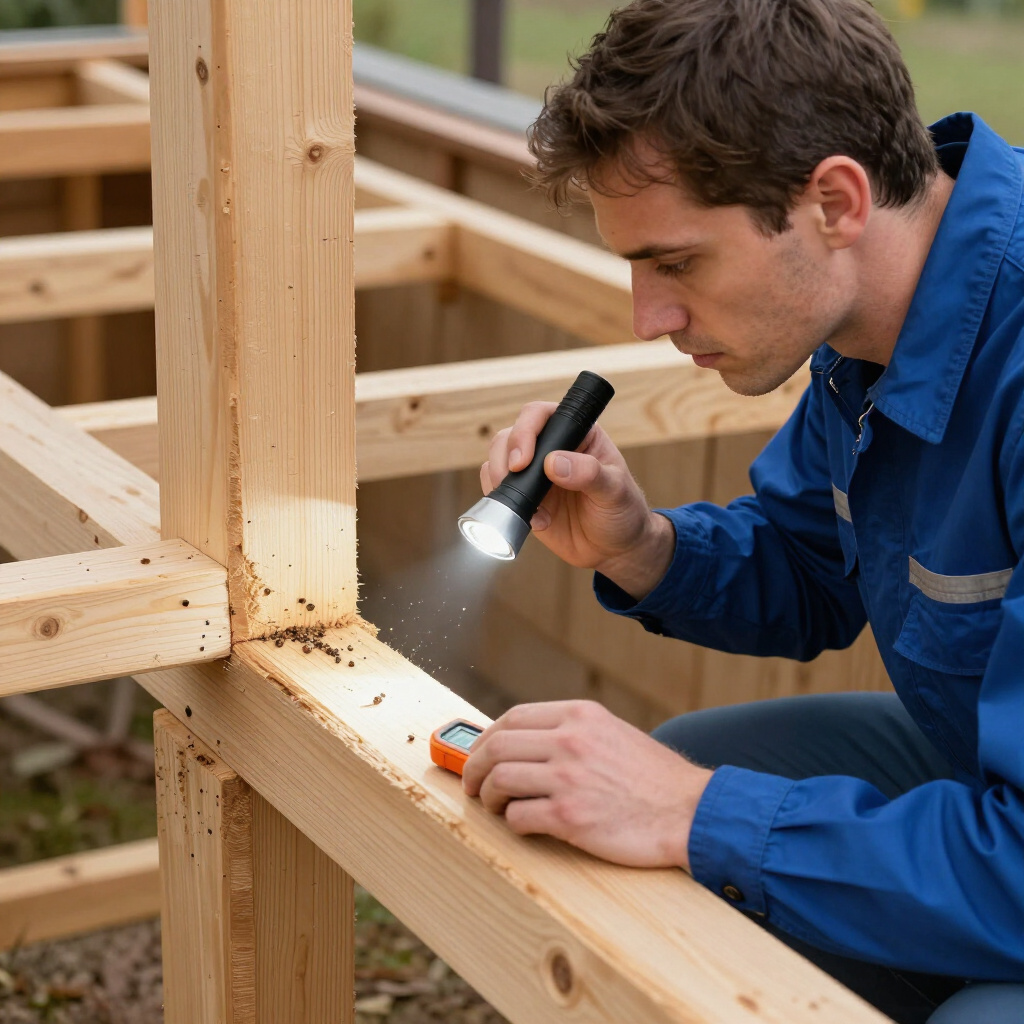
Some of the most destructive pests are also the hardest to detect. Termites work silently behind walls and beneath floorboards, often causing thousands of dollars in damage before you ever see a single insect. Carpenter ants, powderpost beetles, and certain species of wood-boring bees can compromise the structural elements of your home with similar stealth. By the time you notice sagging floors, hollow-sounding wood, or discarded wings, significant harm may already be done.
A pest control professional knows precisely where to look for these hidden invaders. They can spot early warning signs that untrained eyes would miss—mud tubes along foundations, frass that resembles sawdust, or subtle changes in wood texture. Early detection is everything when it comes to wood-destroying organisms. Bringing in an expert at the first suspicion, or as part of routine preventive inspection, can spare you from costly repairs and preserve your home's value.
Key Tips for Deciding When Professional Help Is Needed
Not every ant on the countertop warrants a service call, but several clear indicators suggest it is time to bring in a specialist. Consider reaching out to a pest control professional if you encounter any of the following situations:
The infestation is growing rapidly. Pests reproduce exponentially. What seems manageable today could become overwhelming within weeks. If you notice increasing numbers despite your efforts, professional treatment can halt the escalation before it becomes unmanageable.
You cannot identify the pest. Proper identification is essential for effective treatment. What looks like a harmless beetle might actually be a carpet-eating pest, or what resembles a common house spider could be a more dangerous species. Misidentification leads to wrong treatments, wasted money, and prolonged infestations.
The problem is in a hard-to-reach area. Attics, crawl spaces, wall voids, and deep within foundations are challenging for homeowners to access and treat effectively. Professionals have the equipment and protective gear necessary to work safely in these environments.
You have concerns about pesticide safety. Licensed technicians are trained in the responsible application of treatments. They can select products appropriate for homes with children, pets, or sensitive individuals, and apply them in ways that maximize effectiveness while minimizing exposure.
You are preparing to sell your home. Many buyers request pest inspections, and evidence of untreated infestations can derail negotiations. Proactive professional treatment provides documentation and peace of mind for all parties.
Final Thoughts
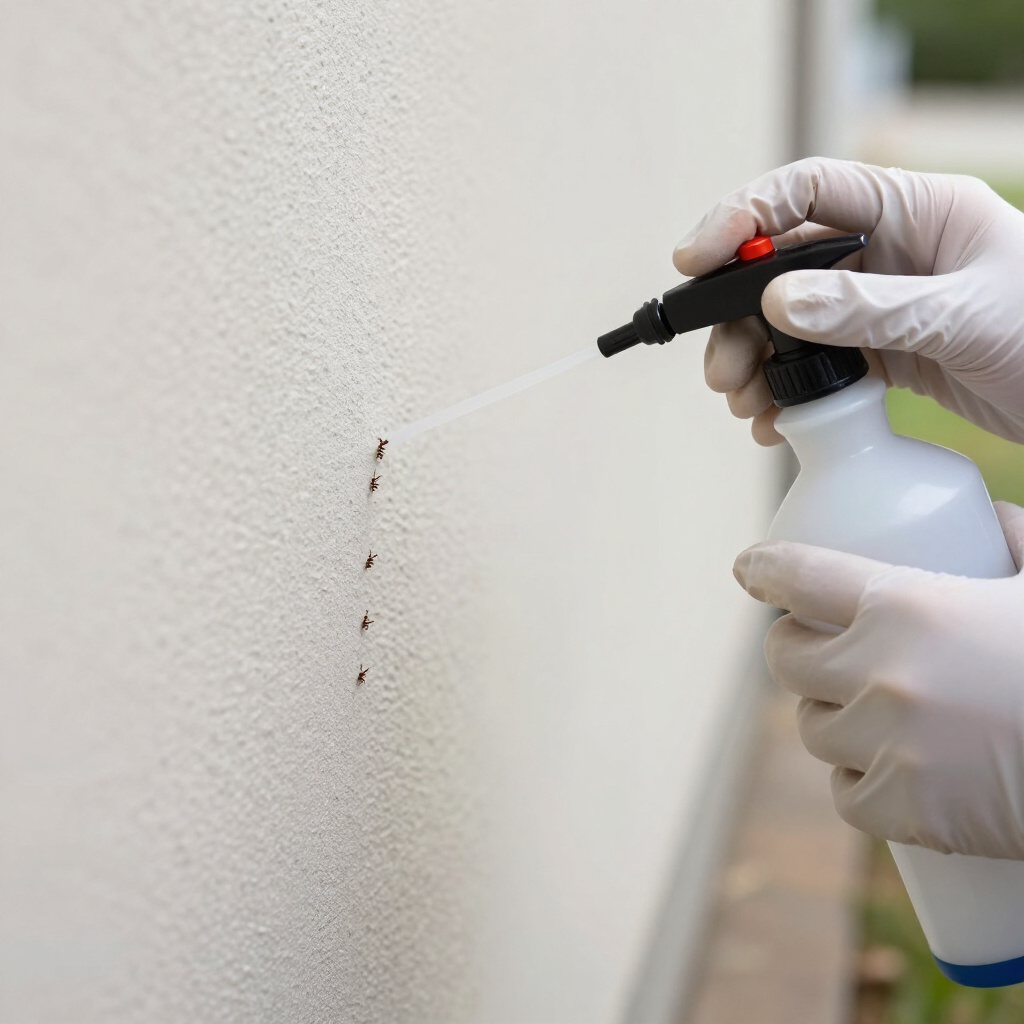
DIY pest control certainly has its place for minor, isolated issues. There is nothing wrong with setting a trap for the occasional mouse or spraying a line of ants marching across your patio. However, recognizing the limits of your own expertise is a form of wisdom, not failure. When to call a pest control professional comes down to assessing the scale of the problem, the risks involved, and the potential for hidden or recurring damage. The investment in professional service is ultimately an investment in your home's longevity and your family's wellbeing. Trust your instincts—if a pest situation feels beyond your control, it probably is. Reaching out to a qualified expert sooner rather than later will bring you faster relief and lasting protection.