

Pest Control Services in Walker, LA
Walker sits at the crossroads of Interstate 12 and Highway 190 in Livingston Parish, where suburban neighborhoods blend into pine forests and wetland edges. This location creates persistent pest pressure throughout the year. Homes near the Tickfaw River corridor, the Bolton community, and newer developments off Walker South Road each face distinct challenges based on their proximity to water, woodland, or agricultural land.
Our technicians route daily through Walker, from the original downtown grid near the railroad tracks to expanding subdivisions along Burgess Road and Florida Boulevard. We understand how seasonal flooding patterns, the area's clay-heavy soils, and Louisiana's extended warm season affect pest behavior here.
Year-Round Pest Concerns for Walker Homeowners
Termites remain the most economically significant threat in Livingston Parish. Formosan subterranean termites established substantial colonies throughout the region after Hurricane Katrina spread infestations inland. Walker properties with mature oak trees, older wooden structures, or irrigation systems that keep soil moist near foundations face elevated risk. Our termite monitoring and baiting programs account for the aggressive foraging patterns this species displays in humid Gulf Coast conditions.
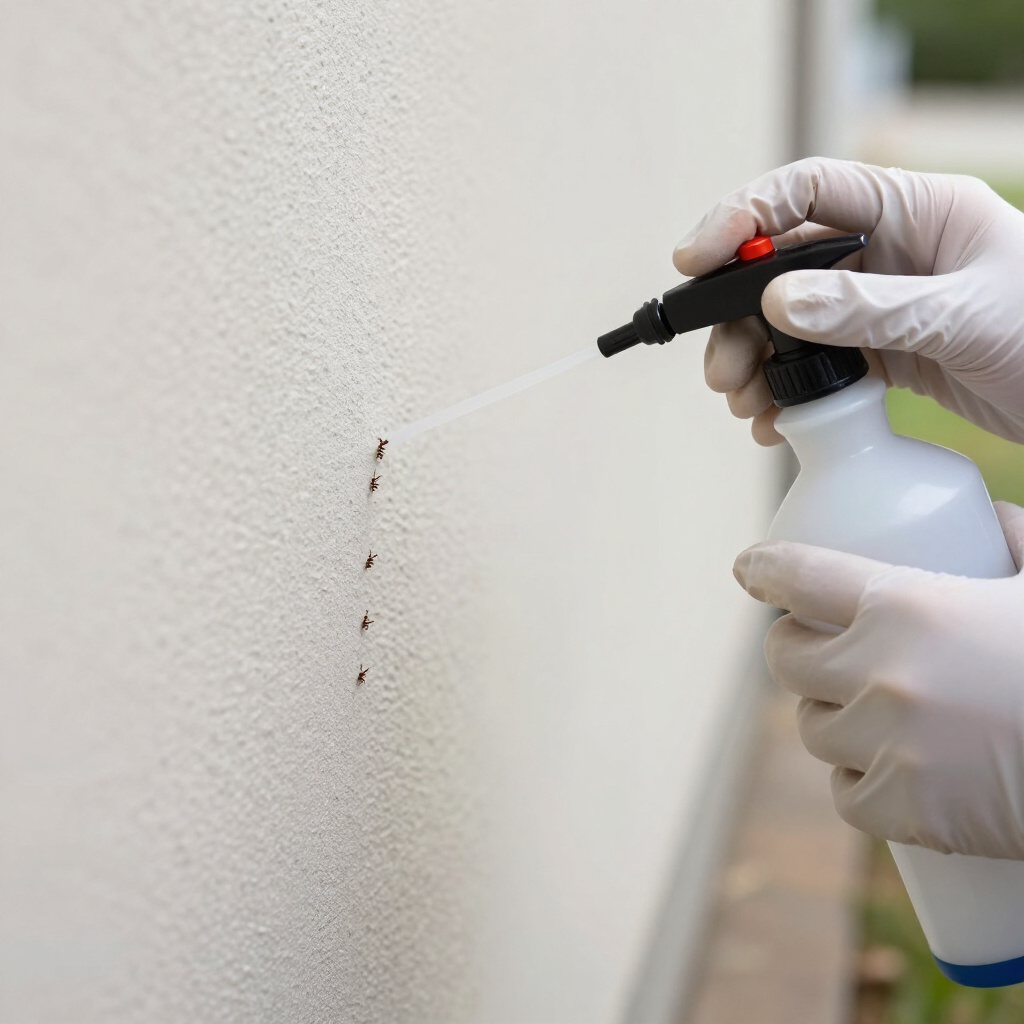
Ant problems intensify during spring and summer months. Fire ants dominate open lawns and pastures, while Argentine ants and odorous house ants exploit small exterior gaps to establish indoor trails. Homes with slab foundations common in Walker's 1980s-era construction are particularly vulnerable to pavement ant infestations seeking consistent moisture during drought periods.
Mosquito pressure peaks from April through October, with the heaviest activity near standing water sources. Properties backing onto bayous, retention ponds, or poorly drained sections require integrated management combining larval source reduction with targeted adult control.
Rodent activity increases each fall as rice field harvests conclude and temperatures drop. Norway rats and roof rats both occur in Walker, with roof rats favoring attics in homes with tree canopy contact and Norway rats burrowing near crawl spaces and outbuildings.
Seasonal Pest Patterns in Livingston Parish
Spring (March–May): Swarming termites, emerging fire ant mounds, early mosquito reproduction, and carpenter bee activity on unpainted wood surfaces.
Summer (June–August): Peak mosquito and fly populations, spider proliferation around exterior lighting, and German cockroach infestations spreading through multi-unit structures.
Fall (September–November): Rodent entry attempts, stink bug aggregations on sun-facing walls, and occasional wasp colony expansion before winter dormancy.
Winter (December–February): Subterranean termite activity continues below ground; indoor pest sightings increase as outdoor food sources diminish.
Frequently Asked Questions About Pest Control in Walker
How does Walker's location in Livingston Parish affect pest pressure compared to Baton Rouge?
Walker experiences slightly less urban heat island effect than Baton Rouge, meaning some pests remain active longer into winter. The greater proportion of undeveloped land and agricultural areas surrounding Walker also means more wildlife interface and broader pest reservoir populations. However, Walker homeowners benefit from less dense infrastructure that can harbor severe German cockroach and bed bug infestations common in higher-density urban cores.
Are termite swarmers in spring always a sign of active infestation?
Not necessarily. Swarmers emerging outdoors near landscape timbers or tree stumps may originate from colony sites distant from your structure. However, swarmers found indoors—especially near windowsills, sliding doors, or garage entries—strongly indicate either an active colony within or immediately adjacent to your home. We recommend documentation with photos and prompt professional inspection, as Formosan termite colonies can cause substantial damage within a single season.
What should I do about fire ant mounds before professional treatment?
Avoid disturbing mounds with shovels, boiling water, or over-the-counter dusts. These methods typically trigger colony relocation through underground tunnel networks, sometimes moving the infestation closer to your foundation. Disturbance also causes colonies to produce additional reproductive queens, potentially worsening the problem. Professional treatment with appropriate baiting systems or targeted mound applications provides more complete colony elimination.
How can I reduce mosquito breeding without eliminating my backyard pond or water feature?
Maintain moving water through pumps or fountains, as mosquitoes require still water for larval development. Introduce mosquito fish (Gambusia) to ornamental ponds—these native species consume larvae effectively. For birdbaths and rain barrels, weekly water replacement or approved larvicide tablets prevent development. Our technicians can evaluate your specific landscape and identify less obvious breeding sites such as clogged gutters, tarps, and plant saucers.